
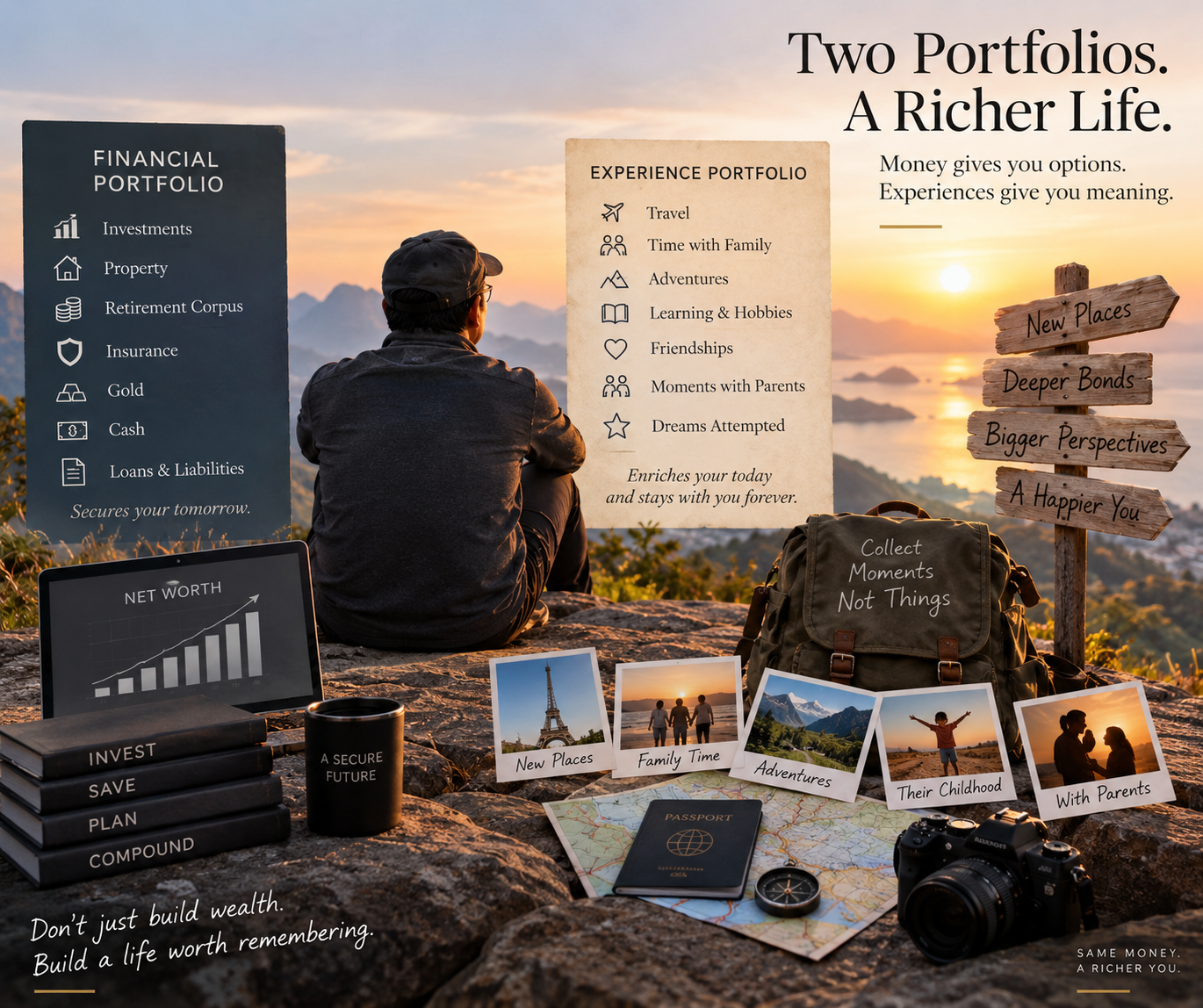
The Portfolio Nobody Talks About (But Everyone Should)
Most of us track one portfolio obsessively. The mutual funds. The SIPs. The real estate. The retirement corpus. We know our CAGR to two decimal places. But there's a second portfolio nobody talks about.
I call it the Experience Portfolio.
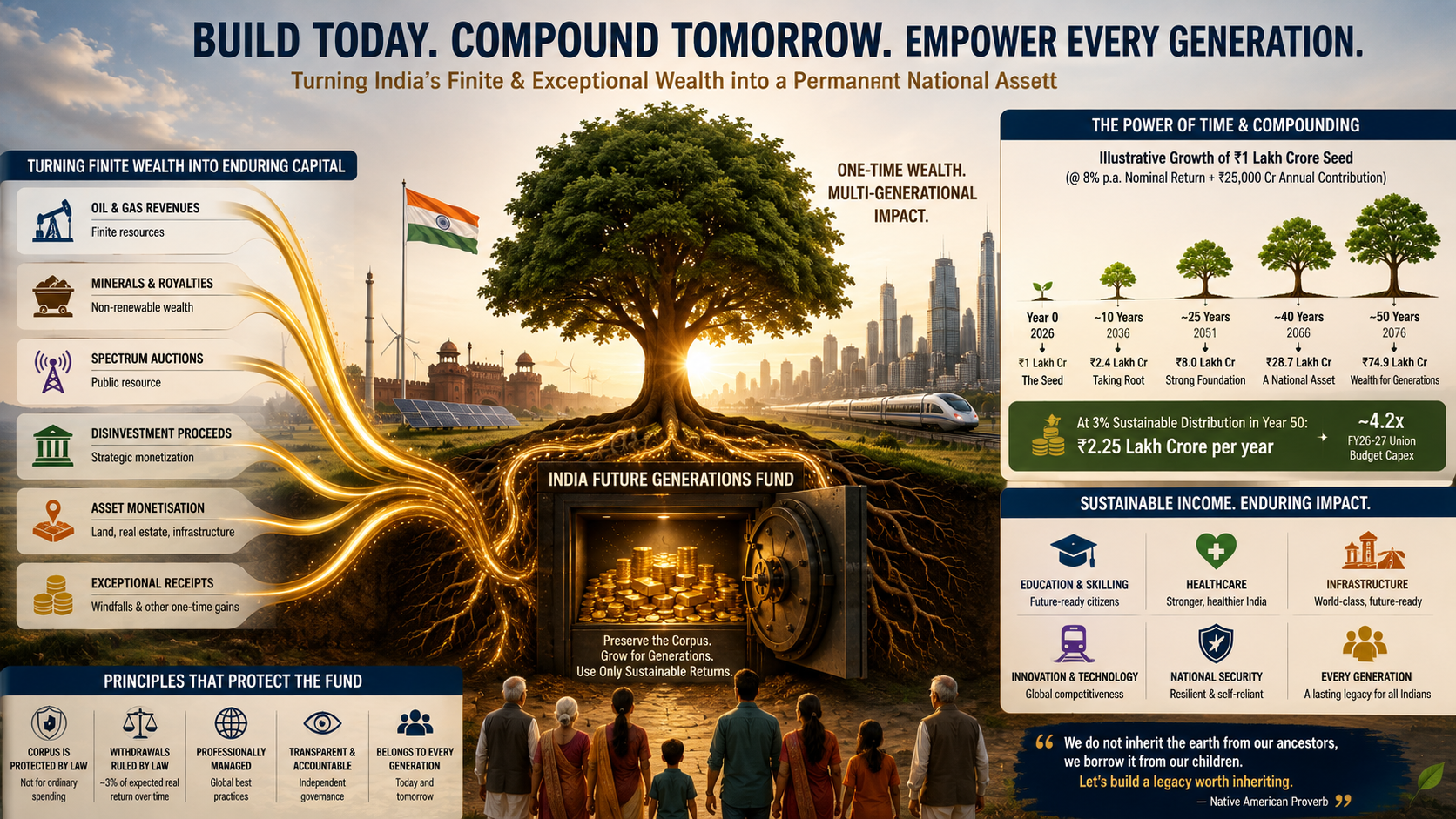
On India's 80th Independence Day, the question isn't what we won. It's what we do with it.
Norway has a rule that sounds almost boring: never spend the oil money, only spend what the oil money earns.
That one decision turned a North Sea oil discovery into a $21 trillion+ fund — one that now quietly finances 27% of Norway's government budget. Not from drilling more oil. From refusing to touch what they'd already found.
Here's the part that gets missed: most of that fund isn't oil money anymore. Out of NOK 21.27 trillion, only about NOK 5.4 trillion ever came in as actual petroleum revenue. The rest — nearly NOK 13.5 trillion — is just returns compounding on returns. The fund now earns more money than Norway ever put into it.
India will never have Norway's oil. But we have our own version of "found money" — spectrum auctions, disinvestment proceeds, mineral royalties, asset sales. Money that shows up once, gets spent within the year, and is gone forever.
What if a slice of it wasn't?
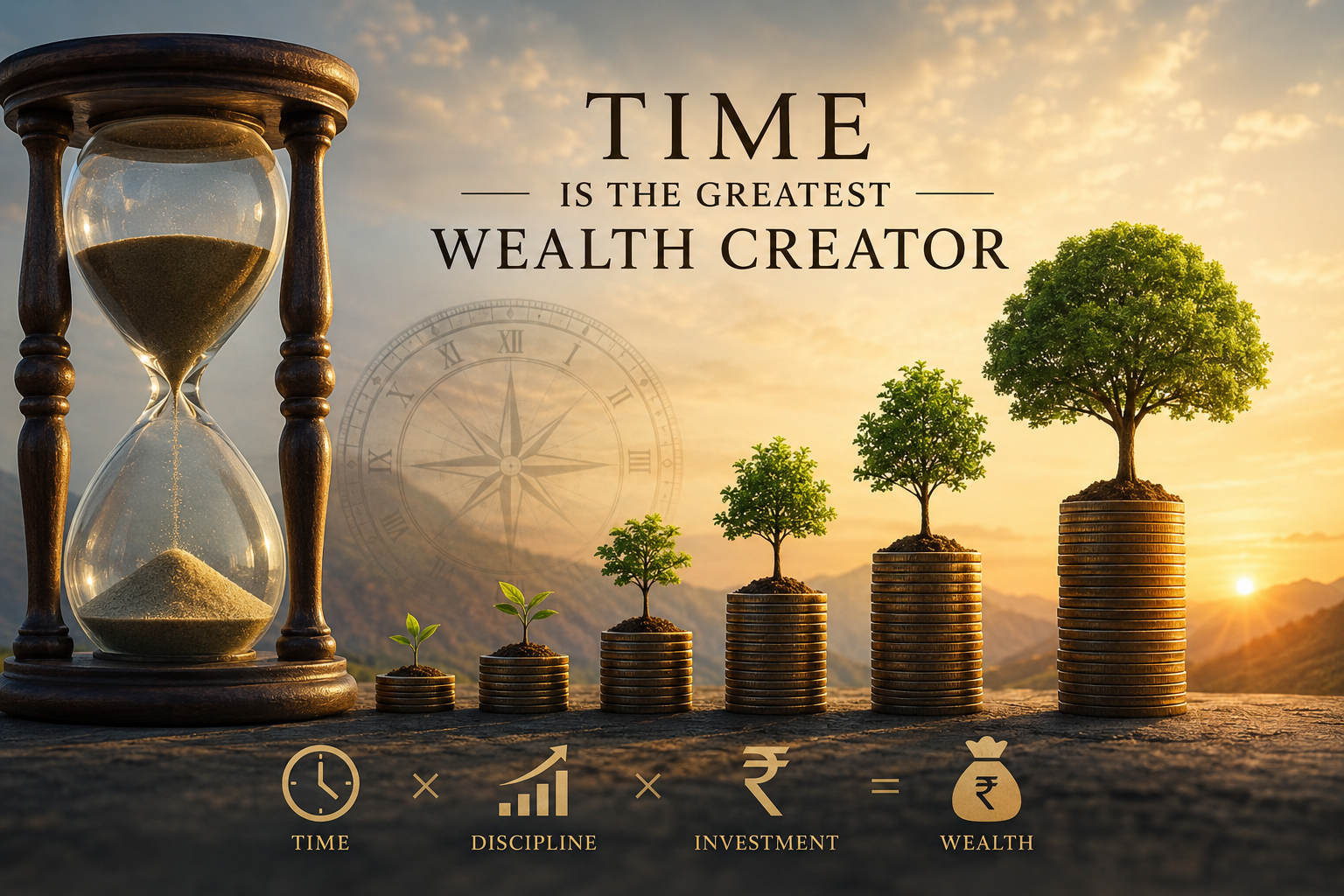
The Mathematics of Time: Why time is the greatest wealth creator
Wealth creation isn't a race against the market. It's a partnership with time. The earlier you begin, the longer you stay invested, and the more disciplined you remain, the more powerful that partnership becomes.
Because in finance, as in life, time is not merely money — it is the multiplier of money.
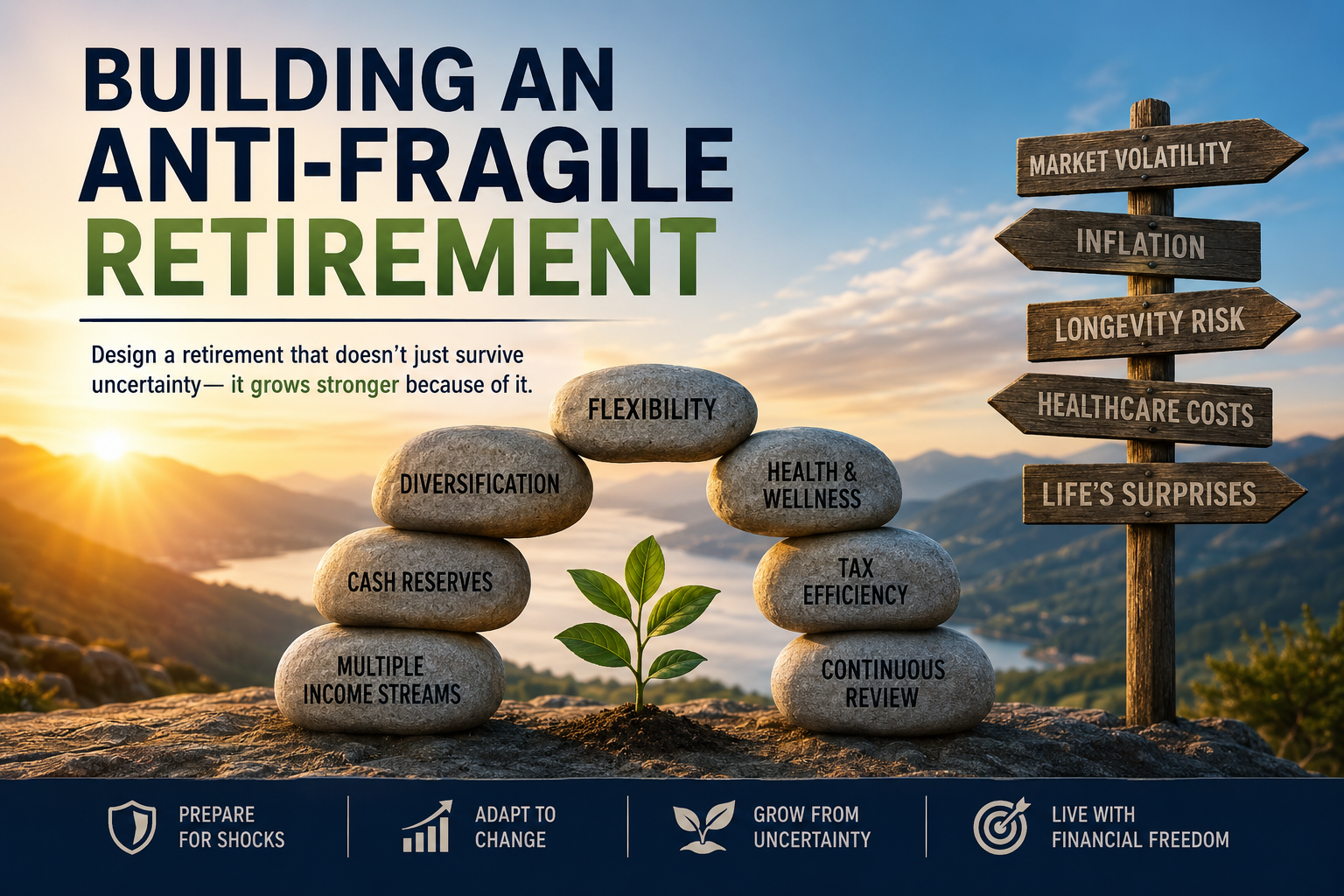
Building an Anti-Fragile Retirement: Why the best retirement plans don't just survive uncertainty — they grow stronger because of it.
Why the best retirement plans don't just survive uncertainty — they become better because of it
"Some things benefit from shocks; they thrive when exposed to volatility, randomness, and disorder."
That's Nassim Nicholas Taleb, from his bestseller Antifragile. Alongside the fragile (which breaks under stress) and the robust (which resists it), Taleb points to a third, more interesting category — the anti-fragile.
Drop a glass vase and it shatters. Fragile. Drop a rubber ball and it bounces back unchanged. Robust. Subject the human body to regular exercise and controlled stress, and it gets stronger — muscles grow, bones densify, immunity improves. It doesn't just survive stress. It benefits from it.
That's anti-fragility — and it shows up everywhere: businesses that learn from recessions, entrepreneurs wiser after failure, markets that reward the patient investor over the frightened one.
So can retirement be anti-fragile too?

The Twin Compounding Engines of a Happy Life: Why the two most important skills you'll ever learn have nothing to do with your profession.
Over the years, I've come to believe that there are only two life skills that truly determine the quality of our later years.
The first is the ability to look after our health.
The second is the ability to manage our money.
Interestingly, both follow exactly the same rules.

The Most Underrated Financial Goal: Defining Your “Enough”…
“Enough” is not about settling. It’s about clarity.
The hardest financial skill is knowing when you have enough. When you don’t define “enough,” nothing will ever feel like it is enough.
Enough once defined, is what you need to live the life you want.
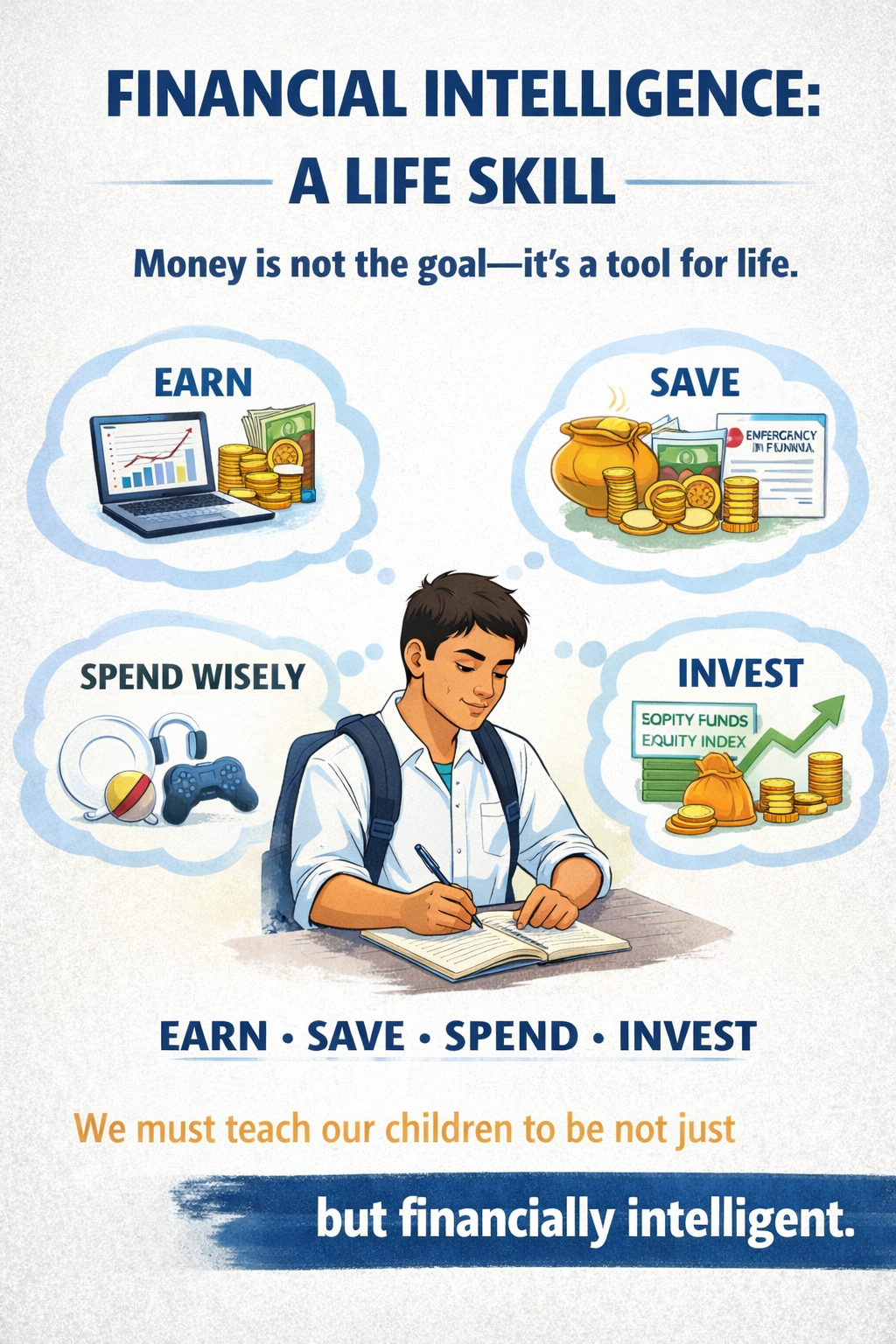
How to teach your college-going children financial intelligence…
Financial intelligence is not taught. It is built through habits.
Start early. Start small. But start right.
If you have college-going children, try this:
Give them independence…
But attach it to discipline + investing.
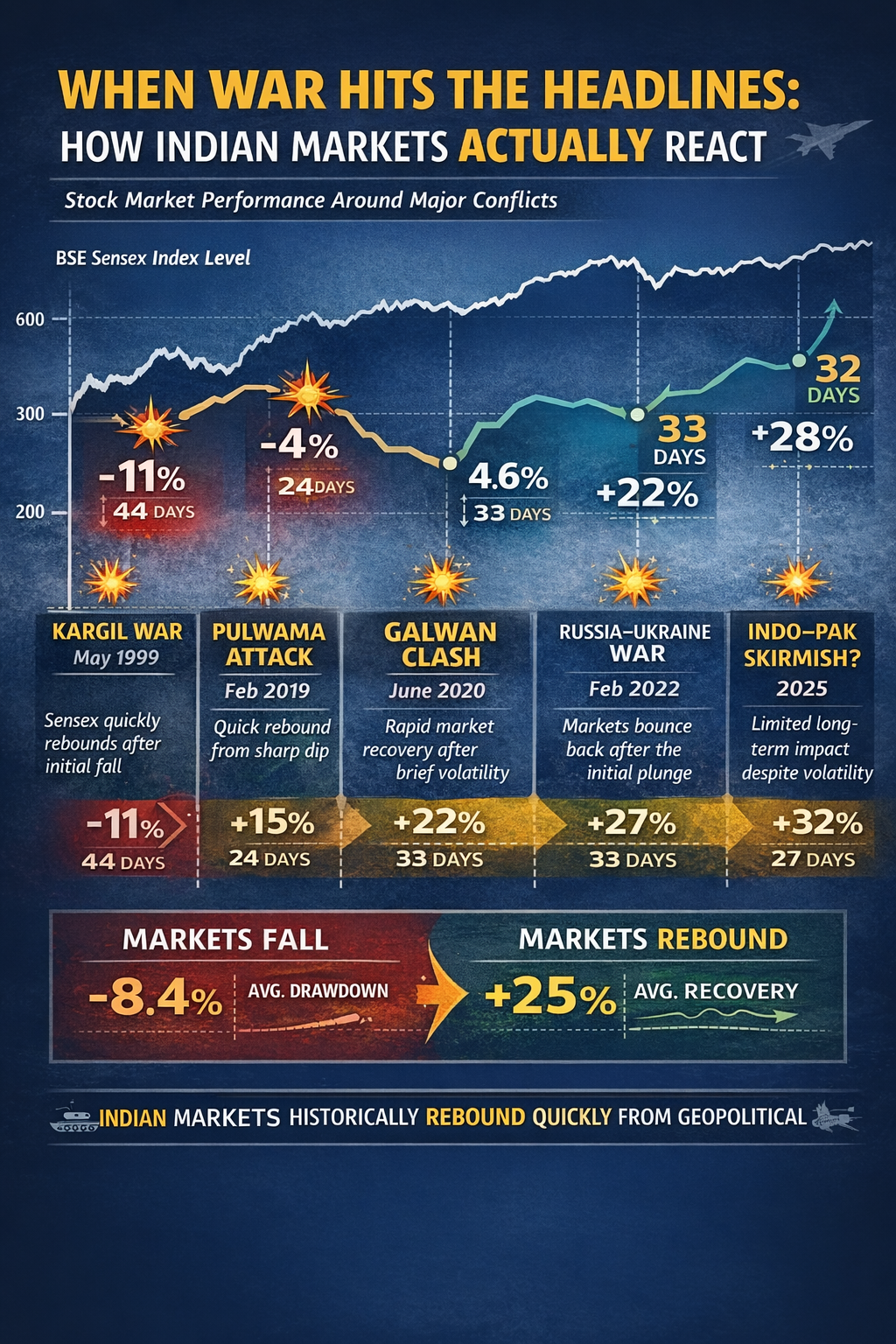
How do Indian Markets behave during wartime or short conflicts? Lessons from recent conflicts
When war dominates the headlines, investors often assume markets will collapse. History suggests something different. In most cases, the drawdowns were short-lived, and markets recovered once the scale of the conflict became clearer.

“No asset wins forever: What a decade of market data teaches us about building resilient portfolios”
The article shares key lessons that every serious investor should understand - especially in a world where uncertainty is the only constant. The article further points towards what history really teaches us about building resilient portfolios.
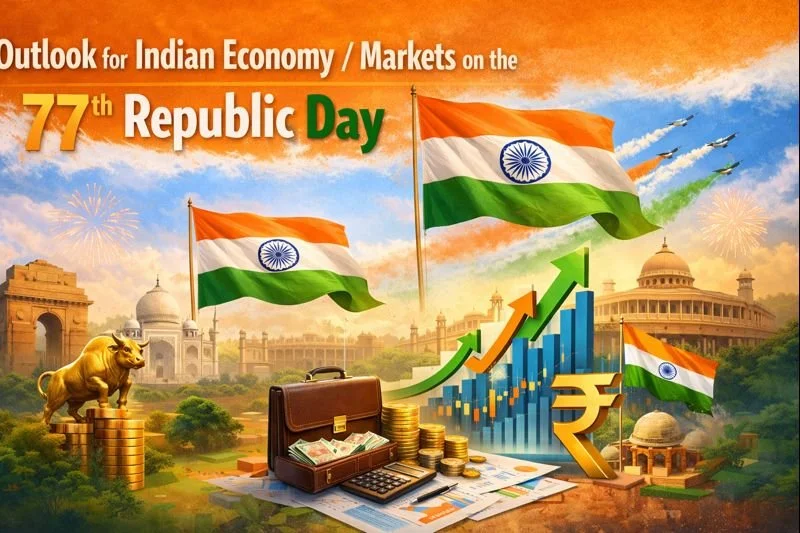
Outlook for Indian Markets on the 77th Republic Day
The article looks us what the GDP figures and the yield curves generated from the available data for India and other major economies tell us about our future path.

Gold vs Indian equities since 2007: what the data really says — and why most investors draw the wrong conclusion?
This article explains why gold beat equities during the period from 2007 to 2025, why it does not mean what many people think it means, and what it teaches us about building portfolios that survive real-world market cycles.
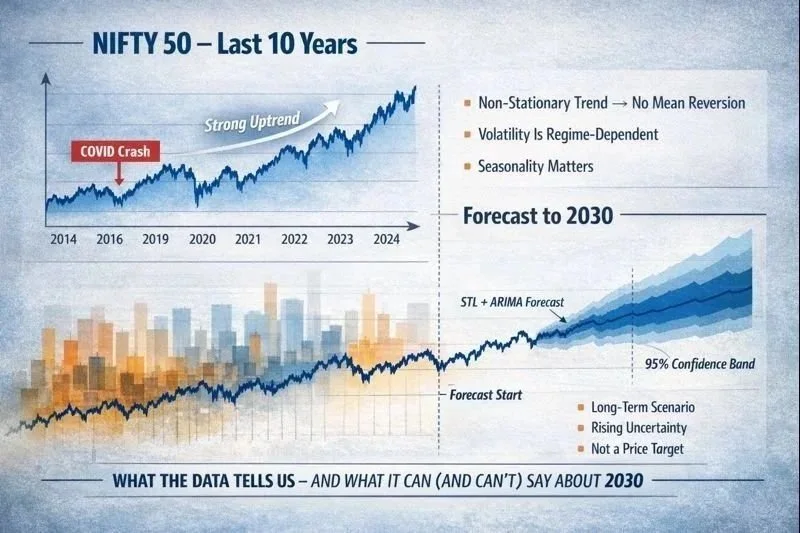
NIFTY over the last 10 years: What the data tells us — and what it can (and can’t) say about 2030
Over the past decade, the NIFTY 50 has evolved through multiple market regimes — global liquidity cycles, a once-in-a-century pandemic, rapid digitisation, and a structural shift in India’s growth narrative.
Rather than relying on opinions, this article looks at what the last 10 years of data objectively tells us, and how quantitative forecasting models can be used responsibly to think about the road to 2030.